


In today’s design landscape, the modern home is becoming more alive—literally. From lush indoor greenery to carefully cultivated gardens, people are embracing nature not simply as décor, but as a lifestyle. Plants have become emotional architecture: calming spaces, purifying environments, and reconnecting us to slower living.
For this edition of Modern Eden, ATELIER explores the art of caring for some of the most beloved statement plants and blooms found in contemporary homes and gardens: roses, ferns, and elephant ears. Each brings a distinct energy into a space—romance, softness, and tropical boldness—and each requires a unique approach to thrive naturally.
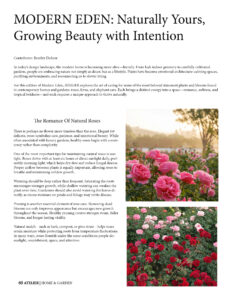
The Romance Of Natural Roses
There is perhaps no flower more timeless than the rose. Elegant yet delicate, roses symbolize care, patience, and intentional beauty. While often associated with luxury gardens, healthy roses begin with consistency rather than complexity.
One of the most important tips for maintaining natural roses is sunlight. Roses thrive with at least six hours of direct sunlight daily, preferably morning light, which helps dry dew and reduce fungal disease. Proper airflow between plants is equally important, allowing roses to breathe and minimizing mildew growth.
Watering should be deep rather than frequent. Saturating the roots encourages stronger growth, while shallow watering can weaken the plant over time. Gardeners should also avoid watering the leaves directly, as excess moisture on petals and foliage may invite disease.
Pruning is another essential element of rose care. Removing dead blooms not only improves appearance but encourages new growth throughout the season. Healthy pruning creates stronger stems, fuller blooms, and longer-lasting vitality.
Natural mulch—such as bark, compost, or pine straw—helps roses retain moisture while protecting roots from temperature fluctuations. In many ways, roses flourish under the same conditions people do: sunlight, nourishment, space, and attention.
Ferns and the Beauty of Soft Living
If roses bring romance, ferns bring tranquility.
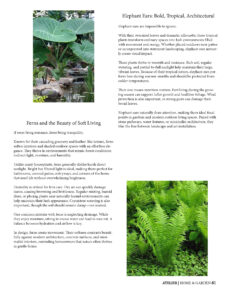
Known for their cascading greenery and feather-like texture, ferns soften interiors and shaded outdoor spaces with an effortless elegance. They thrive in environments that mimic forest conditions: indirect light, moisture, and humidity.
Unlike many houseplants, ferns generally dislike harsh direct sunlight. Bright but filtered light is ideal, making them perfect for bathrooms, covered patios, entryways, and corners of the home that need life without overwhelming brightness.
Humidity is critical for fern care. Dry air can quickly damage leaves, causing browning and brittleness. Regular misting, humidifiers, or placing plants near naturally humid environments can help maintain their lush appearance. Consistent watering is also important, though the soil should remain damp—not soaked.
One common mistake with ferns is neglecting drainage. While they enjoy moisture, sitting in excess water can lead to root rot. A balance between hydration and airflow is key.
In design, ferns create movement. Their softness contrasts beautifully against modern architecture, concrete surfaces, and minimalist interiors, reminding homeowners that nature often thrives in gentle forms.
Elephant Ears: Bold, Tropical, Architectural
Elephant ears are impossible to ignore.
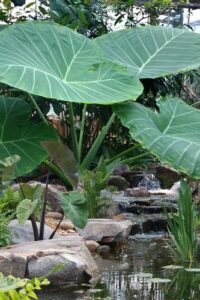
With their oversized leaves and dramatic silhouette, these tropical plants transform ordinary spaces into lush environments filled with movement and energy. Whether placed outdoors near patios or incorporated into statement landscaping, elephant ears instantly create visual impact.
These plants thrive in warmth and moisture. Rich soil, regular watering, and partial-to-full sunlight help maintain their large, vibrant leaves. Because of their tropical nature, elephant ears perform best during warmer months and should be protected from colder temperatures.
Their size means nutrition matters. Fertilizing during the growing season can support fuller growth and healthier foliage. Wind protection is also important, as strong gusts can damage their broad leaves.
Elephant ears naturally draw attention, making them ideal focal points in gardens and modern outdoor living spaces. Paired with stone pathways, water features, or minimalist architecture, they blur the line between landscape and art installation.

