

From historic courtyard houses in Qatar to the reed-building traditions of Iraq, Design Doha 2026 suggests that the future of interiors may be rooted in the knowledge we inherit.
DOHA, QATAR — What makes a home enduring? The objects we collect, the materials we choose, or the histories held within its walls? At the second Design Doha Biennial, which opened November 5, the answer is less about the newest trend than the knowledge that survives across generations.
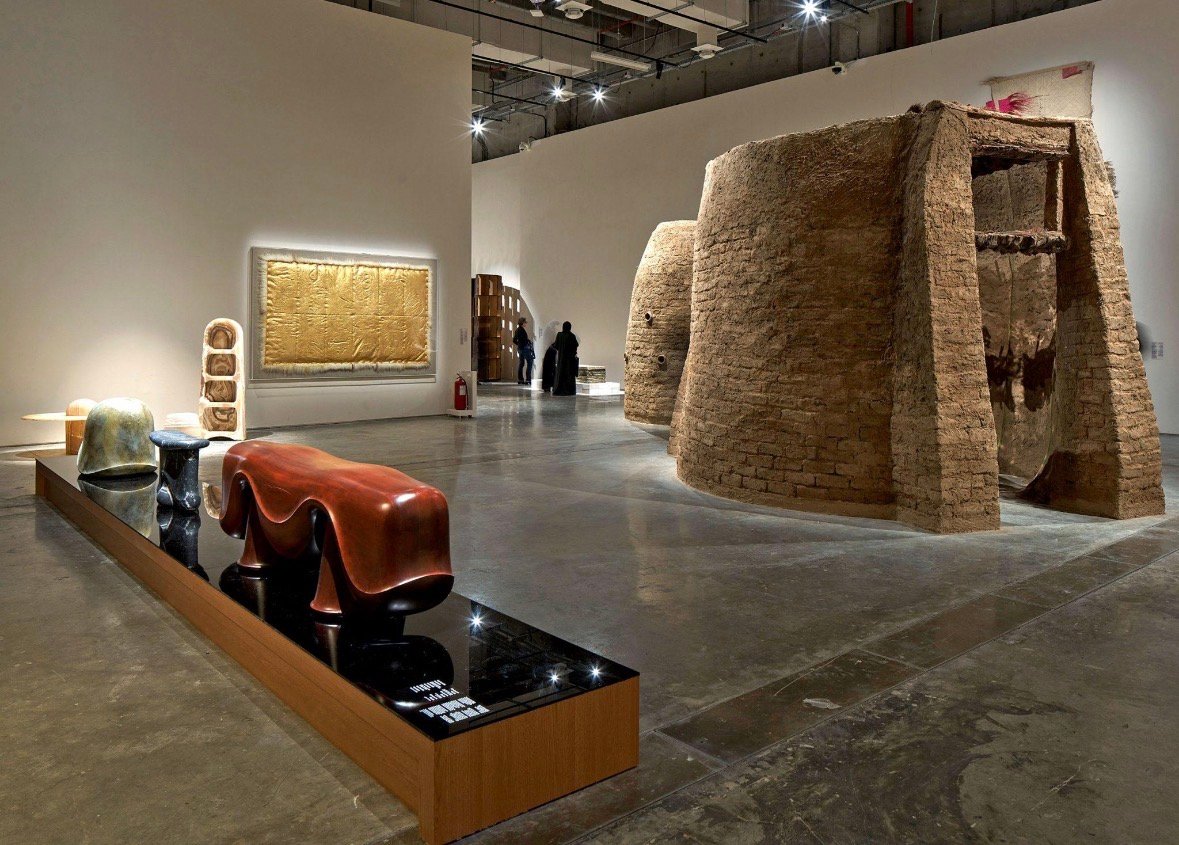
Presented by Qatar Museums and continuing through January 31, 2027, the biennial unfolds across Doha, with historic Fereej Al Asmakh as a central setting and its flagship exhibition, Arab Design Now 2026, in Msheireb Downtown Doha. Courtyards, heritage houses and public spaces become more than backdrops: they offer a reminder that architecture has always been shaped by climate, community and daily ritual.
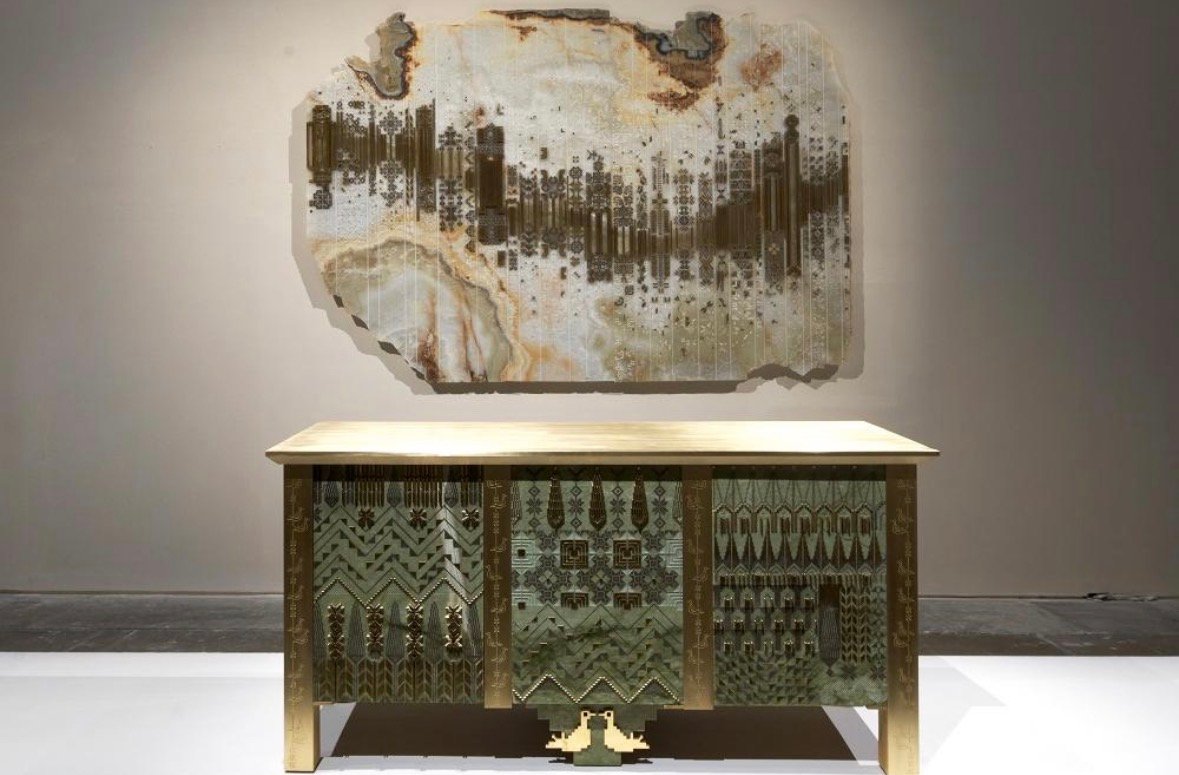
Curated by Noura Al Sayeh, Arab Design Now brings together 81 designers and 78 newly commissioned works. Its emphasis extends beyond finished objects to the artisans, environments and methods that make them possible. The exhibition presents design not as a luxury product detached from place, but as an ongoing conversation between people and materials.

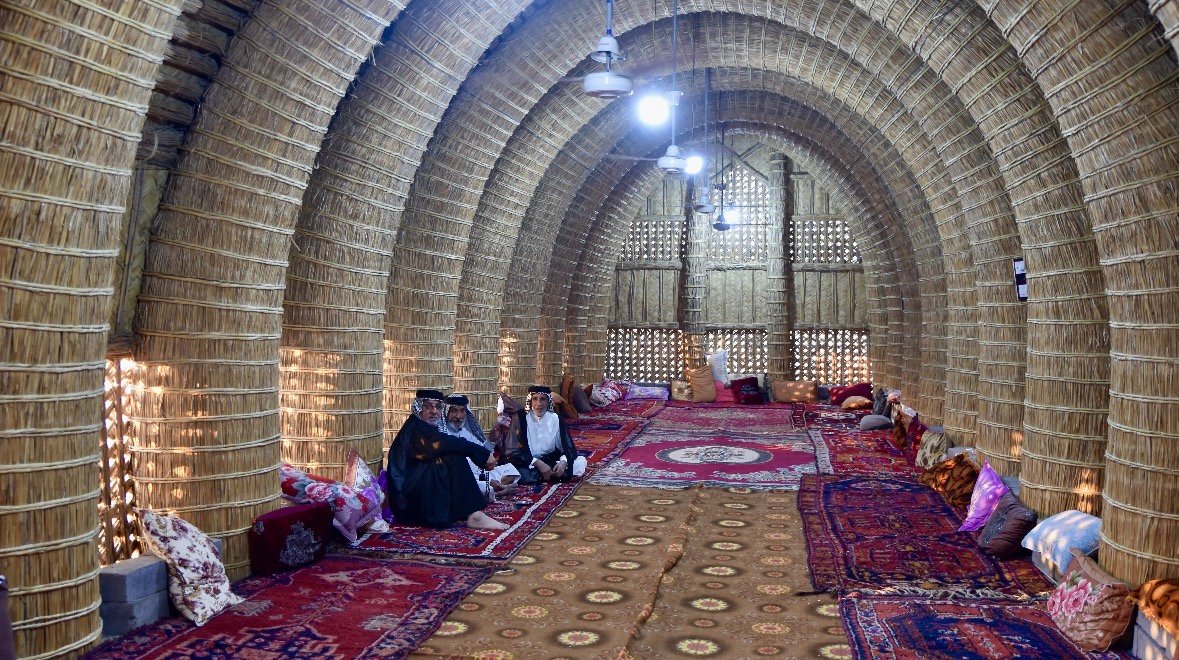
Among its compelling voices is Iraqi architect Ola Znad, whose SHABBAH furniture collection draws on the reed-built mudhif, a traditional gathering place associated with the Ahwari communities of southern Iraq. Working with knowledge from craftspeople connected to the marshlands, Znad reimagines the language of communal architecture through seating and tables. The work carries an urgent ecological dimension: the wetlands and the practices sustained by them face pressure from water scarcity and environmental change.
Elsewhere, The Thread That Binds, an installation by The Love Triangle Collective, places weaving at the center of architectural expression. Palm fronds, reeds and cane are not treated merely as decorative references. Their making is the story, emphasizing the gestures and collective knowledge through which useful materials become cultural inheritance.
That shift matters. In contemporary interiors, the language of authenticity can too easily become another aesthetic to purchase. At Design Doha, the more meaningful question is who holds the expertise, who receives recognition and whether renewed interest in craft creates lasting opportunities for the people practicing it.
Across the wider program, designers investigate material experimentation, migration, environmental pressures and belonging. These are not abstract themes when translated into domestic space. A woven surface can recall a family tradition; a ceramic vessel can carry memories of displacement; a piece of furniture can make room for hospitality and shared life.
For design-conscious audiences beyond Qatar, the lessons are both practical and philosophical. Thoughtful interiors need not begin with novelty. They can begin with attention to provenance, repair, local makers, climate-responsive materials and the social purpose of a room. Preservation, however, must remain more than visual homage: it requires listening to communities and acknowledging the labor behind the objects we admire.
As the biennial repositions inherited practices within contemporary design, it offers a different vision of luxury—one defined less by exclusivity than by depth, care and continuity.
The most compelling home of the future may be the one that remembers where it came from.
Reporting references: Design Doha, Arab Design Now 2026; Design Doha Biennial overview; Art Basel, November 9, 2026.

