
In a fashion culture obsessed with spectacle, youth and clothes engineered to become images, Max Mara sent something almost subversive down its Milan runway: a wardrobe designed for a woman with somewhere to be. Inspired by aviators, explorers and adventurers who refused the boundaries of their era, Ian Griffiths made a compelling argument that utility, adulthood and real life deserve their place in luxury.
Max Mara wants women to go somewhere.
For Spring/Summer 2027, Ian Griffiths returned to one of the most enduring ideas in the house’s vocabulary: utility. But this was not utility stripped of glamour. It was utility elevated, softened and made cosmopolitan—a wardrobe for women whose lives extend well beyond the runway.
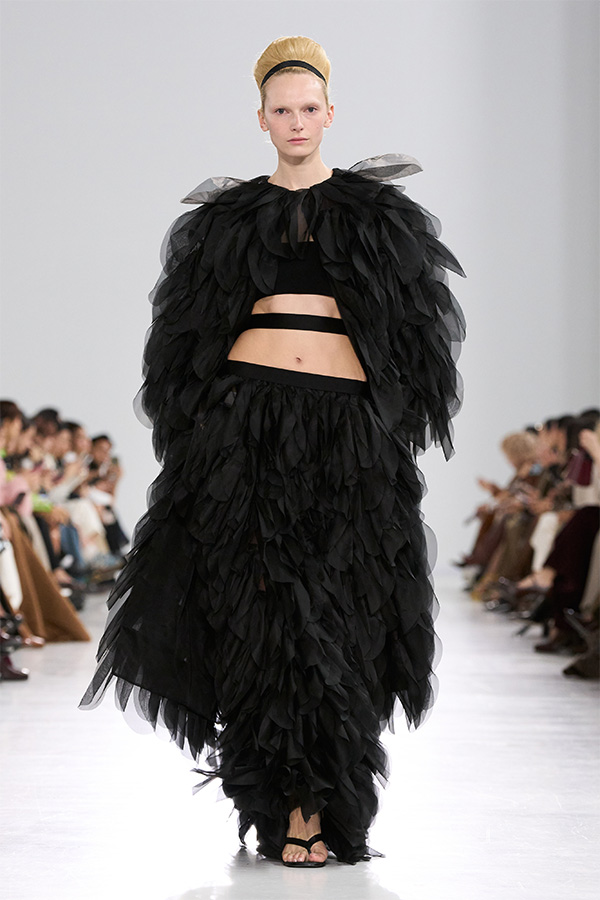
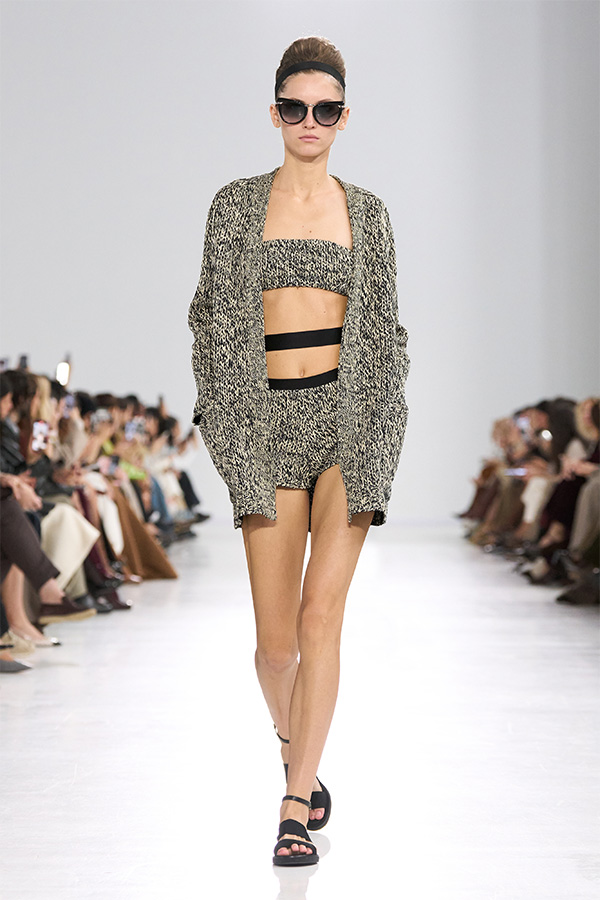
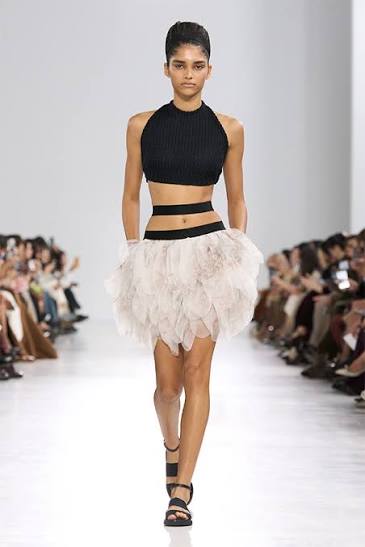
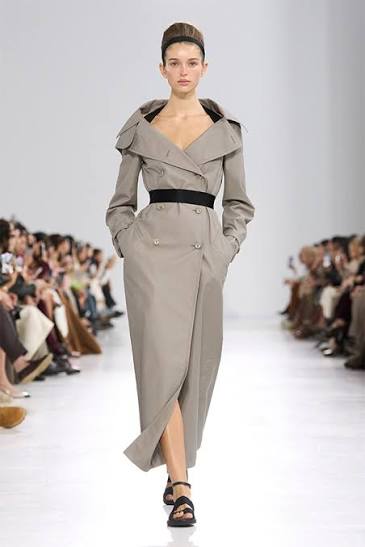
Chore jackets, safari-inspired overshirts, roomy trousers, crisp shirting, practical belts and capacious bags formed the collection’s architecture. Linen, gabardine, silk, organza, knitwear and leather gave functional silhouettes a distinctly Max Mara polish.
A Wardrobe Built to Move
Griffiths drew inspiration from women who crossed literal and social frontiers, including aviators Amelia Earhart and Beryl Markham, explorer Freya Stark, wildlife photographer Osa Johnson and cross-continental driver Eva Dickson. Their relevance was not simply that they looked adventurous. They were women who intended to move through the world on their own terms.
That distinction gives the collection its force.
The clothes do not ask the wearer to perform an explorer fantasy. Instead, they translate the idea of readiness into a contemporary wardrobe: jackets with useful pockets, coats with room to move, trousers with volume and dresses that remain connected to the practicality of separates.
When Did Wearable Become an Insult?
Luxury fashion currently operates inside an attention economy. The runway image must circulate, the silhouette must become recognizable and the collection must create a visual moment capable of surviving the feed.
Max Mara proposed almost the opposite.
Griffiths has described the runway as a prelude to the more important moment: seeing women actually wearing the clothes in everyday life. Every piece was conceived to work with the others and to integrate with an existing wardrobe.
That sounds straightforward. In contemporary luxury, it can feel quietly radical.
There is nothing anti-fashion about designing clothes that work. The more interesting question is why fashion sometimes treats usefulness as though it were a concession rather than a creative achievement.
The Women Behind the Wardrobe
Earhart, Markham, Stark, Johnson and Dickson were not simply attractive historical references. Their lives involved aviation, exploration, photography, travel and mobility in eras when those spaces were heavily coded as male.
The practical wardrobe therefore carried a larger meaning.
The pocket was useful because there was work to do. The sturdy shoe mattered because there was somewhere to go. The coat communicated authority without needing to expose the body.
Griffiths translated that spirit into a modern vocabulary of movement and self-possession.
We Need to Talk About “Safari”
There is also history beneath the collection’s safari references that deserves acknowledgment. The Western idea of safari was shaped by colonial-era fantasies of African landscapes as territories for European exploration, adventure and consumption. Beryl Markham’s own life was deeply connected to colonial Kenya.
That history does not erase the collection’s contemporary proposition, but it complicates the imagery.
The more productive reading is not the fantasy of conquering an exotic territory. It is the image of women refusing the boundaries assigned to them.
The Radical Proposition: Adulthood
Fashion has spent years chasing youth. Brands compete for younger consumers, aesthetics accelerate and every season arrives with the pressure to become something entirely new.
Max Mara’s Spring/Summer 2027 collection offered another possibility: respect the woman who already owns clothes, already has taste, already knows her body and does not need a new identity delivered every six months.
That does not mean conservative dressing. It means designing for a life that already exists.
In an industry built around persuading consumers that they perpetually need something new, creating pieces that can coexist with what they already own is quietly provocative.
Fantasy Still Matters
This is not an argument against spectacle. Fashion needs imagination, fantasy and risk. McQueen can make fashion dangerous; Prada can turn restriction into intellectual play; Fendi can make pleasure a cultural language.
Max Mara contributes something different.
Usefulness can be imaginative, too.
ATELIER’s Perspective
The strongest idea in Max Mara Spring/Summer 2027 is not that safari jackets are returning. It is that a luxury wardrobe can be ambitious without being alienating.
Griffiths’ collection asks fashion to take real women seriously—not as consumers to be constantly reinvented, but as people with destinations, professions, relationships, bodies, histories and lives already in motion.
That may be why the collection feels more radical than its restrained palette initially suggests.
Fashion does not always need to make a woman look like she has nowhere else to go.
Sometimes the most luxurious thing a garment can do is help her get there.

